Frequently Asked Questions
General & Safety
How often should my fireplace be professionally inspected and serviced?
Most manufacturers and safety organizations (such as the NFPA) recommend having your fireplace, venting, and chimney inspected and serviced at least once a year—ideally in late summer or early fall before the heating season kicks into gear.
What are the warning signs that my fireplace needs immediate repair?
Turn off your unit and call a professional if you notice:
- The scent of gas (rotten egg odor) or strong burning/chemical smells
- A pilot light that refuses to stay lit or produces a weak, yellow flame instead of a steady blue one
- Unexplained black soot building up on the glass, logs, or surrounding walls
- Grinding, squealing, or rattling noises from the circulation blower
- The fireplace shuts down unexpectedly within minutes of ignition
Can a gas fireplace produce carbon monoxide?
Yes. Any fuel-burning appliance can produce carbon monoxide (CO) if it is burning fuel inefficiently, suffering from blocked venting, or has a cracked firebox. That is why annual inspections, leak checks, and having working CO detectors on every level of your home are critical.
Do I really need a professional for maintenance if the fireplace looks fine?
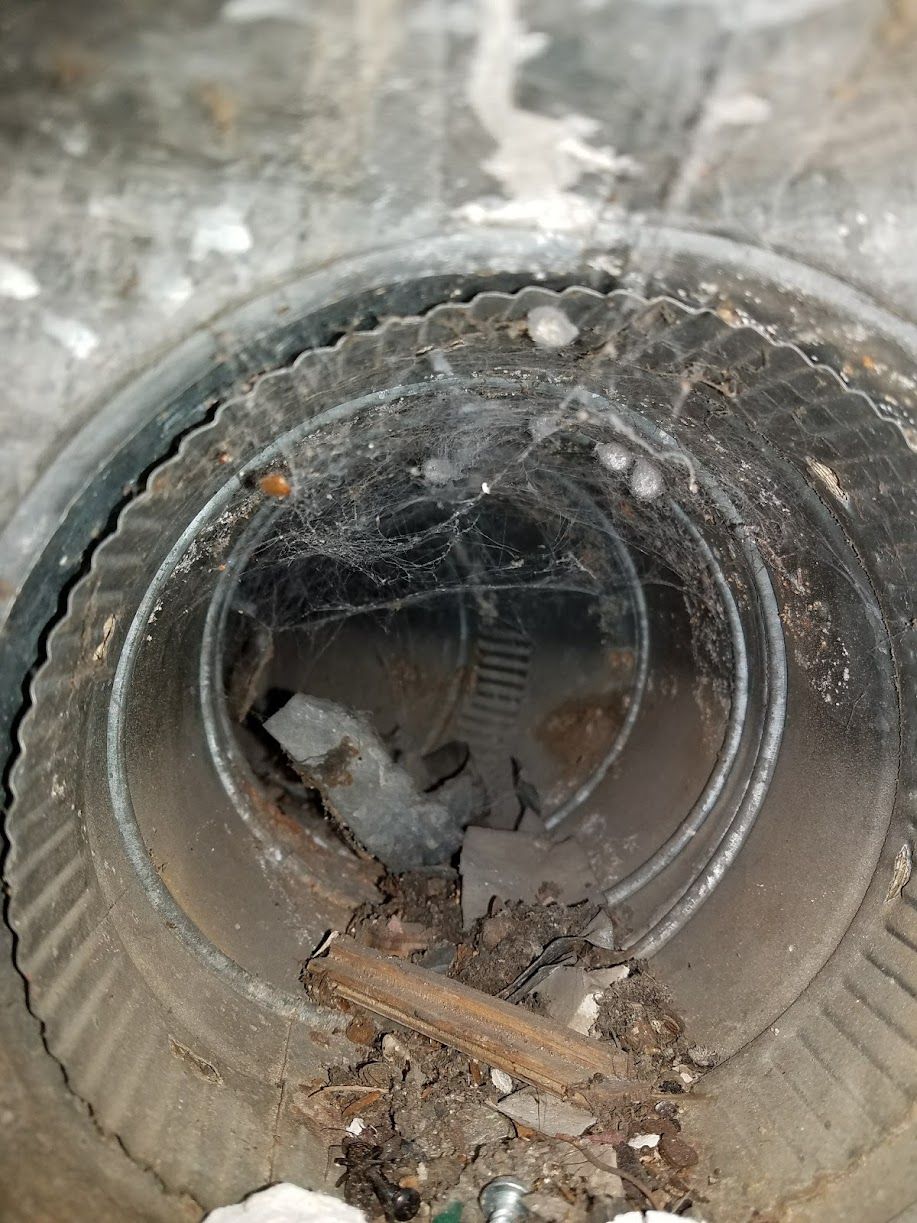
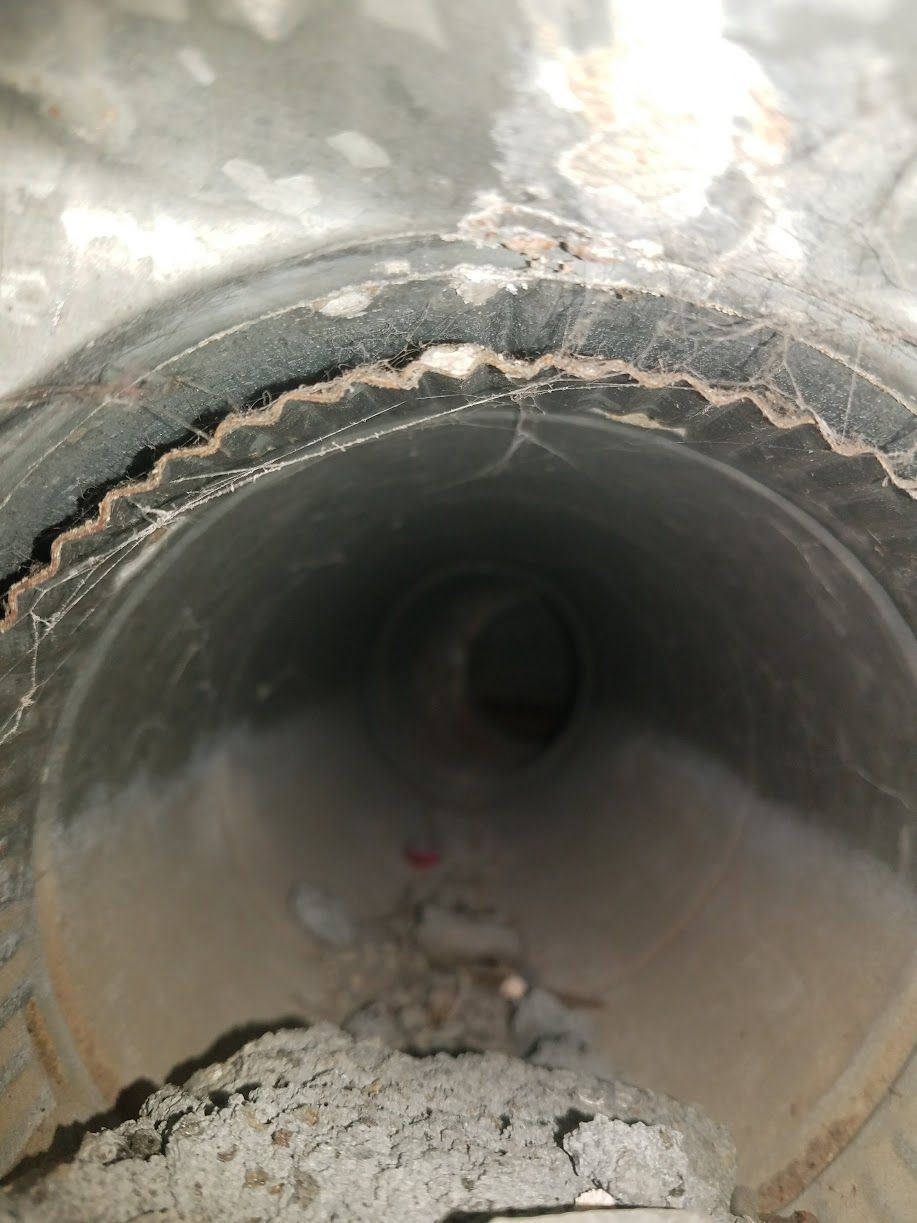
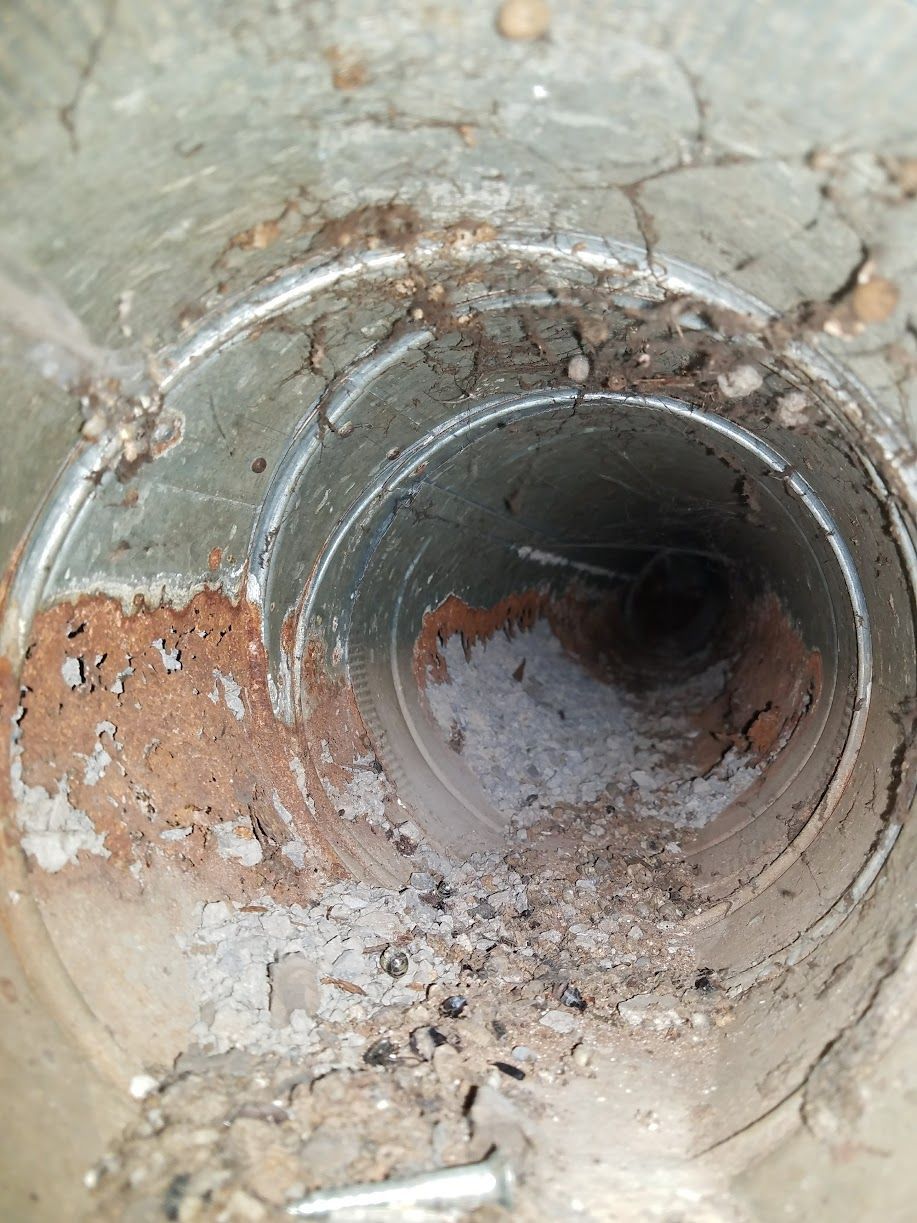
Yes. Even clean-looking units accumulate invisible dust, spider webs, and insect debris inside burner ports and pilot assemblies. A professional inspection also tests crucial safety features you cannot see, such as the thermocouple, thermopile, millivolt gas valve, and carbon monoxide exhaust.
Installations & Upgrades
Can you convert an existing wood-burning fireplace to gas?
Yes. We can convert standard masonry fireplaces by installing either a gas insert or a vented/vent-free gas log set. We run the appropriate gas piping, install the burner system, and adapt the existing flue or chimney to ensure proper venting.
What is the difference between a gas insert and a gas log set?
- Gas Inserts: Fully sealed, self-contained fireboxes installed directly into an existing fireplace opening. They act as efficient zone heaters, pulling outdoor air for combustion and pushing heated air into the room with built-in blowers.
- Gas Log Sets: Ceramic logs and burners placed on your existing firebox hearth. They are more affordable and primarily provide aesthetic ambiance, though vented sets send much of their heat directly up the chimney.
What is the difference between vented and direct-vent (or vent-free) systems?
- Direct-vent: Draws air from outside for combustion and vents 100% of exhaust gases outdoors through a sealed pipe system. This offers the best balance of safety, indoor air quality, and efficiency.
- Vented: Uses an existing vertical chimney/flue to exhaust air, drawing room air for combustion.
- Vent-free: Uses room air and doesn’t require a chimney, burning fuel with high efficiency. Because exhaust products stay in the living area, they are subject to specific room-size and ventilation requirements.
How long does a typical fireplace installation take?
Yes. Even clean-looking units accumulate invisible dust, spider webs, and insect debris inside burner ports and pilot assemblies. A professional inspection also tests crucial safety features you cannot see, such as the thermocouple, thermopile, millivolt gas valve, and carbon monoxide exhaust.
Maintenance & Care
Why is there a white film or soot building up on my fireplace glass?
A white, cloudy film is a natural byproduct of combustion chemicals interacting with glass over time and should be cleaned with a specialized ceramic fireplace glass cleaner (never standard ammonia-based window cleaner). Dark black soot, however, indicates incomplete combustion, misaligned ceramic logs, or blocked burner ports that require professional adjustment.
Can I clean the inside of my gas fireplace myself?
You can gently vacuum dust around the outside louvers and clean the glass using approved fireplace glass cleaner when the unit is completely cool. However, disturbing ceramic logs, burner trays, or gas connections can disrupt the fuel-to-air ratio and cause dangerous soot accumulation. Leave internal servicing to a certified technician.
Do the batteries in my fireplace system need to be replaced?
Yes. Many modern systems use batteries in both the handheld remote and the hidden receiver or back-up battery pack (often located beneath the firebox). Replacing these annually ensures your fireplace can still turn on and ignite during winter power outages.
Operation & Troubleshooting
Will my gas fireplace work if the power goes out?
In most cases, yes! Standard millivolt (standing pilot) systems generate their own micro-voltage to operate without electricity. Units with intermittent pilot ignition (IPI) typically include a battery backup pack that allows ignition during an outage. Note that electric circulation blowers will not operate without power unless plugged into a backup generator.
Why is my pilot light not staying lit?
The most common culprit is a worn, loose, or soot-covered thermocouple or thermopile (the sensor that confirms a flame is present before allowing the gas valve to open). It can also indicate a clogged pilot orifice or a weak gas valve.
Why does my fireplace produce a strange smell the first time I turn it on in the fall?
It is common to notice a slight burning or dusty odor during the first seasonal burn. This is usually accumulated dust, pet hair, and lint burning off the exterior of the hot firebox and burner. If the odor persists for more than a few hours, or if you ever smell raw gas, shut the system off immediately and give us a call.